
The Meter-Long Worm That Escapes Through Your Foot
The Guinea worm grows silently inside the body for a year, eventually causing a painful blister so it can slowly, agonizingly push its way out. It has to be wound out on a stick.


Specimen classification
Type
Parasitic nematode
Host
Humans and dogs
Length
Up to 80 cm
Emergence
Takes weeks
The Guinea worm doesn't just live inside its host. It grows inside the body for a year until the female—which can be nearly a meter long—decides it is time to leave.
It creates a painful blister on the skin and slowly, agonizingly, pushes its way out. You cannot just pull it out quickly. It has to be wound out over days.
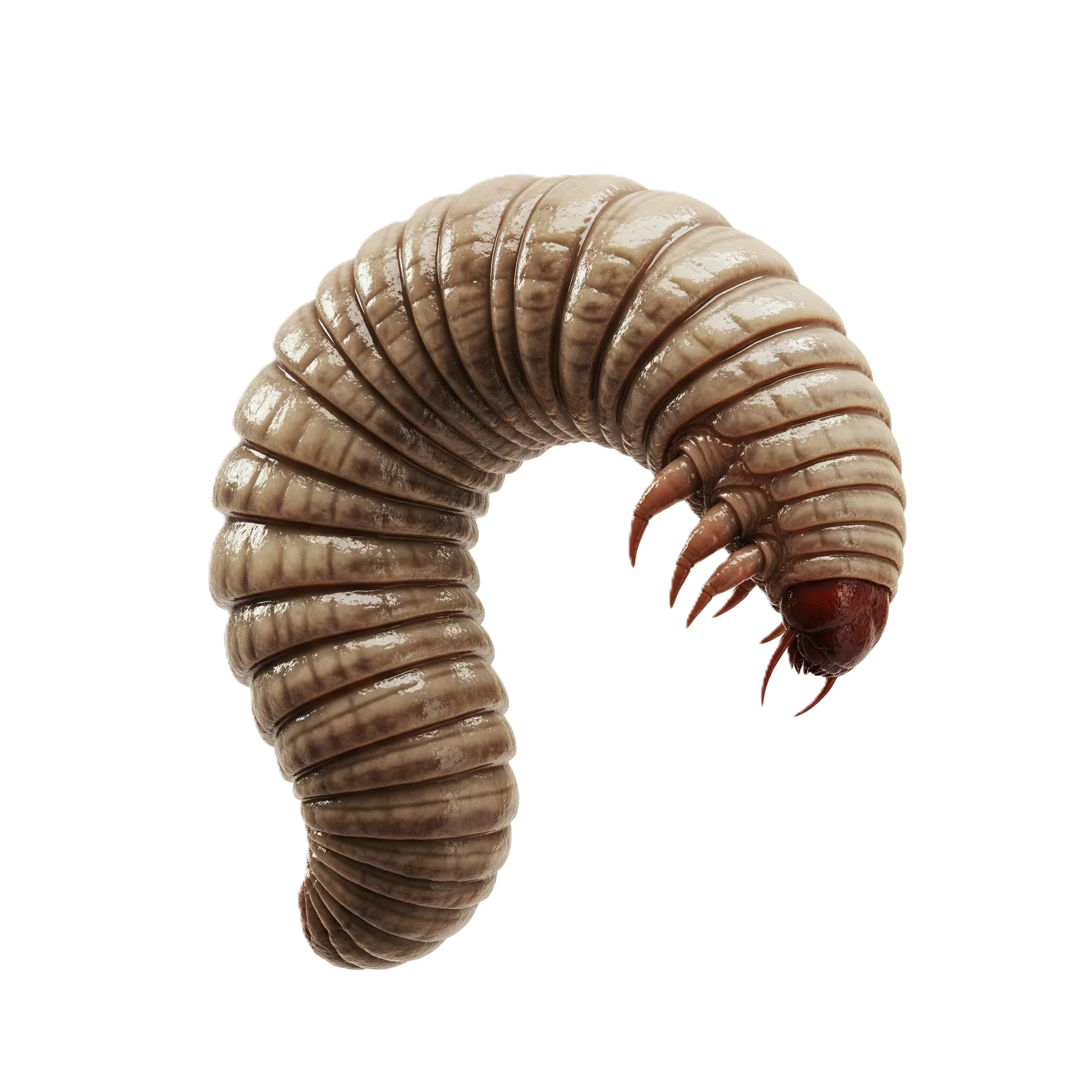
Guinea Worm


This fact has been locked for your safety.
The Silent Year
The lifecycle begins when a person drinks water contaminated with tiny water fleas that carry Guinea worm larvae. Once inside the stomach, the fleas die, but the larvae survive.
They bore through the stomach wall and move into the body cavity. For a whole year, the host has no idea they are there. The worms mate, the males die, and the females grow to the size of a long piece of spaghetti.
The Blister
When a female is ready to release her eggs, she travels down the body, usually to the lower leg or foot. She secretes an acid-like substance that creates a burning, painful blister on the skin.
The burning sensation is intentional. It drives the person to find water to cool the wound. As soon as the blister touches water, it bursts, and the worm releases millions of eggs into the water to start the cycle again.
Danger
The pain is so intense that the disease gets its name, Dracunculiasis, from a Latin phrase meaning 'affliction with little dragons.'
The Extraction
There is no medicine to kill the worm and no vaccine. The only way to remove it is the same way it has been done for thousands of years: wrapping the emerging worm around a small stick.
The worm must be pulled out incredibly slowly, usually just a few centimeters a day. If you pull too hard and it snaps inside the body, the remaining piece can cause a massive, life-threatening infection.
Science bit
Global health efforts have reduced Guinea worm cases from 3.5 million in 1986 to just a handful today. It is on the brink of being completely eradicated.

Dr. Icky's verdict
“A meter-long noodle of pure misery that you have to slowly wind out of your own leg. Fortunately, human science is close to making this worm extinct. Good riddance.”
Classify it yourself
234 specimens are waiting
Scan this specimen, survive the quiz, and master it in the free app — then hunt the other 233.